
Assessing the Ecological and Economic Impact of Fish Ponds in Croatia and Hungary towards more sustainable and climate resilient aquaculture
Project Acronym: PondSustain
ID : HUHR/2401/2.4/083
Start Date: 01.04.2026
End Date: 31.03.2028
Total Budget: 252.249,47 EUR
EU funding: 201.799,57 EUR
Lead partner: Josip Juraj Strossmayer University of Osijek, Faculty of Food Technology Osijek
Project Partner: Hungarian University of Agriculture and Life Sciences – MATE
Short Description
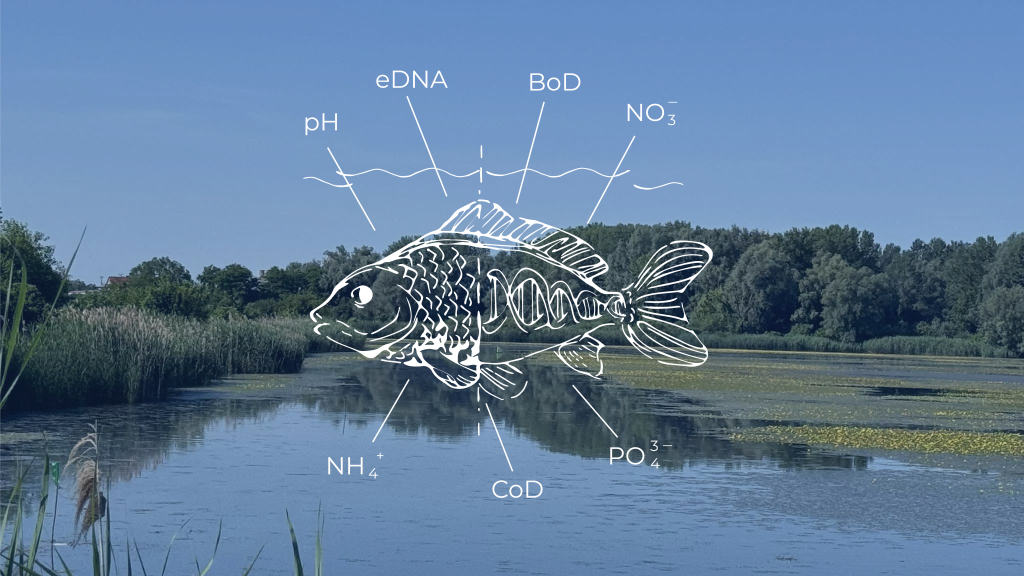
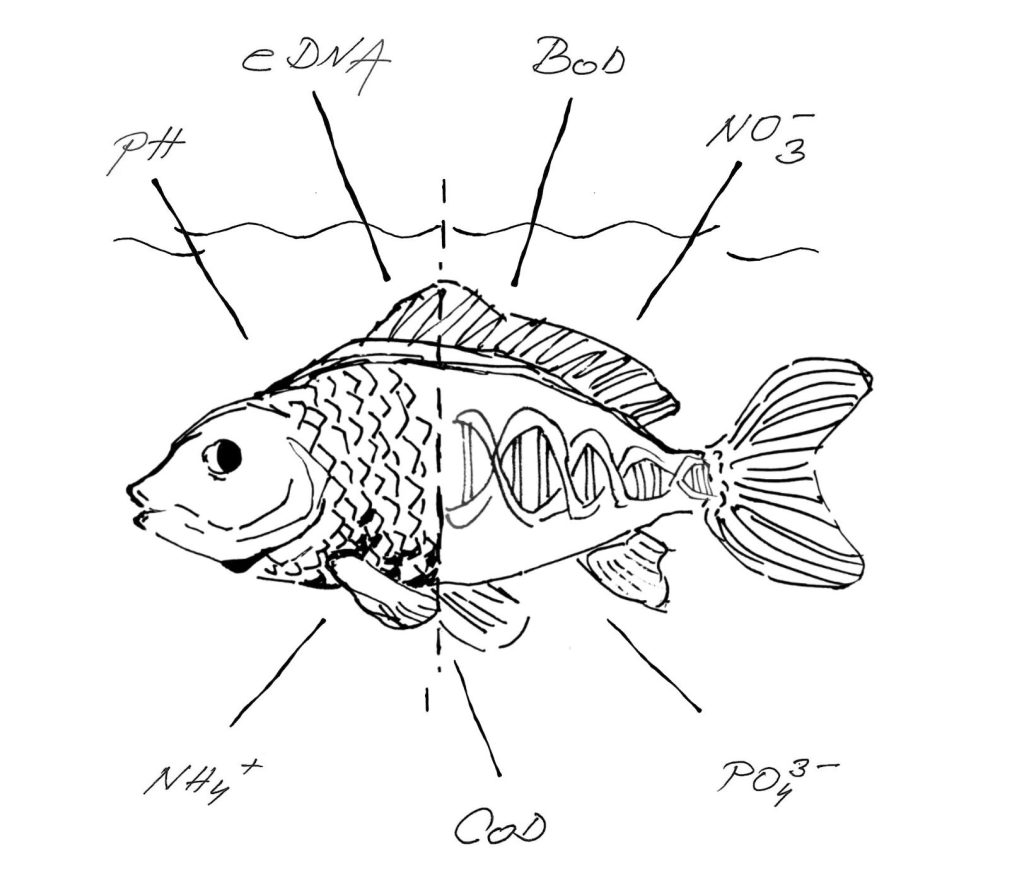
The project aims to strengthen sustainable fishpond management and biodiversity conservation in the Croatia–Hungary border region by investigating the ecological dynamics of fishpond ecosystems and their socio-economic significance. It will establish an integrated cross-border framework for ecosystem monitoring and management, using innovative eDNA methods to assess fish population composition, species interactions, and the impacts of endangered and invasive species. By evaluating the effects of cormorants on fish stocks, economic losses for fish farmers, and implications for tourism, the project will support evidence-based decision-making. It will also foster cooperation among fish farmers, anglers, and conservationists while promoting climate-resilient fishpond technologies, contributing to biodiversity conservation, green infrastructure, and the long-term balance between environmental protection and economic viability.
Summary
The proposed project aims to address the growing environmental and socio-economic challenges affecting fishpond ecosystems in the Croatia–Hungary border region. The rationale behind the project lies in the need to improve biodiversity conservation, sustainable aquaculture practices, and climate resilience while balancing ecological protection with economic viability. By leveraging the complementary expertise of the Faculty of Food Technology Osijek (PTFOS) and the Hungarian University of Agriculture and Life Sciences (MATE), the project intends to create an integrated cross-border framework for monitoring, assessing, and managing fishpond ecosystems. Through the application of innovative environmental DNA (eDNA) techniques, water quality monitoring, and socio-economic analyses, the project will generate comprehensive knowledge on fish biodiversity, invasive and endangered species, and the impacts of cormorant predation on fish stocks and local livelihoods. The target groups include fish farmers, aquaculture professionals, conservation authorities, researchers, local communities, anglers, and tourism stakeholders, all of whom will benefit from improved management tools, knowledge transfer, and enhanced cross-border cooperation. The project’s objectives directly contribute to the Programme’s goal of promoting climate adaptation, biodiversity protection, and resilient ecosystems by developing evidence-based solutions for sustainable fishpond management. Over a 24-month implementation period, the project will deliver key outputs including biodiversity and economic assessment reports, stakeholder engagement frameworks, innovative monitoring methodologies, and recommendations for more sustainable and climate-resilient fishpond technologies. The expected results include strengthened biodiversity conservation, improved ecosystem monitoring capacities, enhanced cooperation among stakeholders, increased resilience of aquaculture systems to climate change, and greater awareness of the ecological and economic value of fishponds. By combining scientific research, technological innovation, and stakeholder engagement, the project will establish a model for cross-border ecosystem management that contributes to long-term environmental sustainability, economic development, and stronger institutional cooperation in the Croatia–Hungary border region.
This website has been produced with the financial assistance of the European Union through the Interreg VI-A Hungary-Croatia Programme. The content of the website is the sole responsibility of the University of Osijek Faculty of Food Technology Osijek and can under no circumstances be regarded as reflecting the position of the European Union and/or the Managing Authority of the Programme.

© Copyright – 2026 | PTFOS | Powered by WordPress